

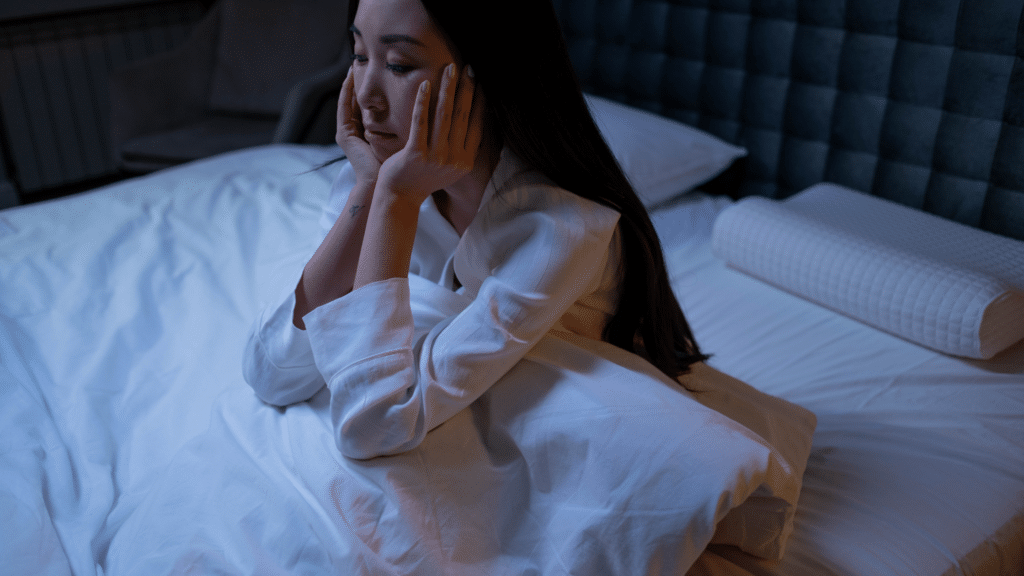
Is biphasic sleep right for you? Here’s what sleep experts have to say about segmented sleep, its benefits and risks.
For most of us, when we think about a healthy sleep pattern, we think of one, long, continuous block of seven to nine hours. Indeed, that is what most sleep experts recommend. However, in the last couple of years, biphasic sleep has been gaining more attention online, with questions on whether this practice is a better and a healthier alternative to our regular, monophasic sleep.
Let’s take a look at what sleep experts have to say about the potential benefits and drawbacks.
What is biphasic sleep?
As opposed to monophasic sleep, which is a block of time in which a person attains all of their sleep, biphasic sleep divides the long sleeping block into two. While monophasic sleepers get some shut eye throughout the night, biphasic sleepers get rest twice per 24 hours. Usually, it includes sleeping during night time hours and taking a nap during the daytime (anywhere from 20 to 90 minutes).
Researchers suggest that monophasic sleep was the dominant sleeping pattern during the Industrial era, with electricity and lighting allowing people to stay up past the sunset. However, before this time many people were biphasic sleepers, usually going to bed after sunset, waking up around midnight for a late snack, or to attend to housework, before falling asleep for the second time.
Why are people interested in trying biphasic sleep?
There’s naturally the curiosity about implementing sleep patterns that have been popular around the world in centuries gone by. Especially so, when practices like this gain more attention through social media creators who help to popularise them to modern audiences.
However, more so than a simple social media trend, research shows that biphasic sleep may help to offset sleep loss for shift workers, new parents and students. People, who may have disrupted sleeping patterns because of their environment and circumstances might be the ones to benefit the most out of biphasic sleep schedules.
What do sleep experts say?
A biphasic sleep schedule could entail a long block of sleep during the night and a nap throughout the day, or going to bed around 9pm, waking up around midnight, and going back to sleep not long after. However, no matter the sleep pattern, sleep experts say that the first schedule leads to a better cognitive performance, while waking up during the middle of the night could be pre-programmed in humans and, therefore, quite natural.
Studies on biphasic sleep support this, suggesting that naps could improve alertness and performance on cognitive and motor tasks, reduce sleepiness and lower subjective fatigue.
Those with disrupted sleeping patterns are the primary audience of biphasic sleep and implementing this sleeping schedule, in their case, could improve recovery between shifts, subjective sleepiness, blood pressure regulation and heart rate variability, as well as reductions in fatigue, anxiety and lapses in attention.
It’s worth mentioning that while biphasic sleep has its advantages, it also presents drawbacks, according to sleep experts. First of all, it’s not a one-size-fits-all approach, as people such as caregivers, or those with strict work schedules are not likely to fit their routines around two different sleep blocks. Additionally, biphasic sleep could lead to sleep deprivation, if not executed correctly.
Is it right for everyone?
In the sleep expert community – one thing is certain. Quality and total sleep duration remain more important than the number of sleep periods. So, while biphasic sleep might suit people who usually nap, those in cultures where siestas are common and shift workers; people with insomnia or strict routines might not be the best audience for it.
It’s important to remember that biphasic sleep is not a miracle solution but it isn’t inherently unhealthy either. Focusing on the quality of your sleep environment is the first step towards a better, well-rested you and it all starts with the right mattress.
Better sleep starts with the right mattress. Now might be the perfect time to find a store near you and test-drive our range of pressure relieving and naturally cooling Medical Grade™ foam mattresses to kickstart your journey to healthier sleep.