

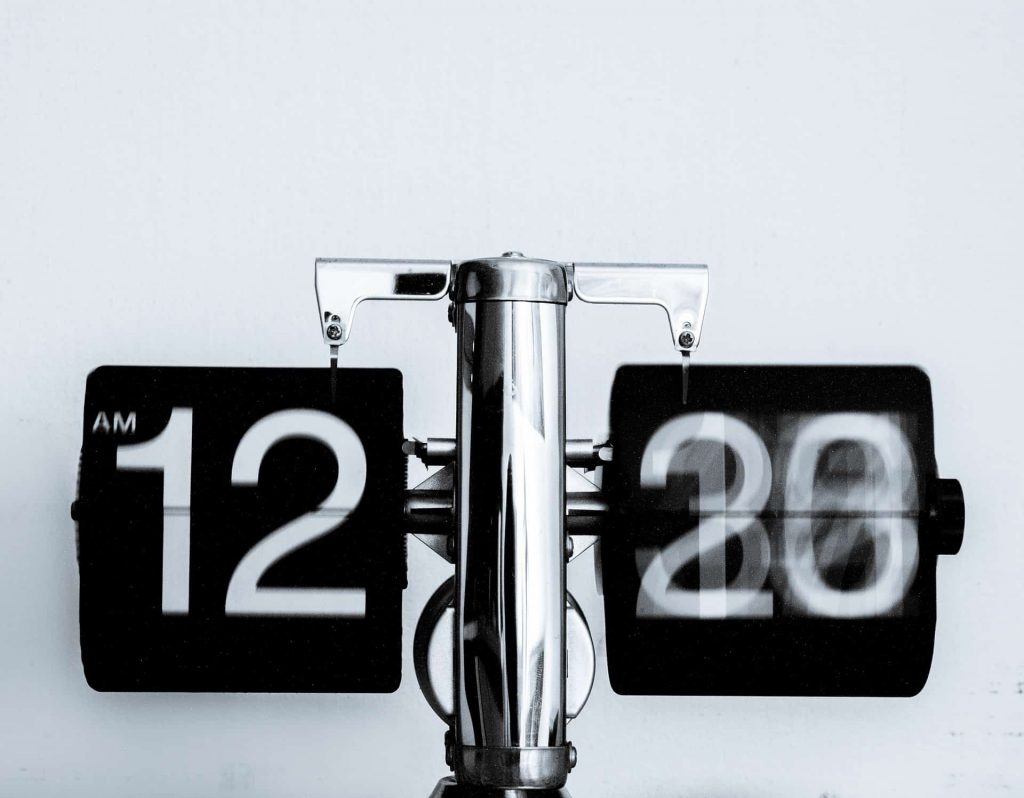
On Saturday night – or rather, 1 a.m. on Sunday morning – the clocks leap forward one hour. But what does this mean for our bodies, and what can we do to minimise the damage?
Spring forward, fall back. Yes, it’s that time of year again. Losing an hour of sleep is everyone’s least favourite thing about spring, even if it does mean lighter evenings. But what damage can this small change do to our bodies?
37% of adults in the UK don’t get enough sleep. At Mammoth, we like to think we know a thing or two about getting a good night’s rest, so we thought it was worth taking the time to explain how you can take a scientific approach to protecting your sleep cycle and avoid Daylight Saving Time affecting your routine.
What are the consequences of ‘spring forward’?
A bad sleeping pattern can wreak havoc on our bodies. In fact, the NHS says that poor sleep habits put you more at risk of heart disease, obesity and diabetes, and can even lower your life expectancy.
Our bodies run on what is called a circadian rhythm, otherwise known as our body clock. In order to keep our bodies functioning effectively, our circadian rhythms follow a similar pattern every day. But Daylight Savings can make this difficult, especially in springtime. It’s much easier to readjust our circadian rhythms when we gain an hour of sleep, as opposed to when we lose an hour. Our bodies find this hard to cope with – and our sleep pattern can suffer for days as a result.
So how do you make this adjustment easier for your body?
Stick to your routine
A routine is vital for getting good rest. After around six months, children can be put to bed at roughly the same time every night, and wake up at around the same time every morning. This should be the aim for adults too.
An example routine of 10am-6pm can improve our quality of sleep if you stick to it every day, including weekends. Go to bed at the usual time on Saturday night and wake up at the usual time on Sunday.
One of the worst things you can do is try to sleep late on Sunday. This will make it harder to get to sleep on Sunday night and can have a domino effect for the whole week.
Know that there is no alternative to sleep
Unfortunately, you cannot self-medicate against tiredness in any effective or sustainable way. Coffee and energy drinks may make you feel more awake for a brief period, but if you overload on caffeine on Monday morning, you may well find yourself crashing with fatigue by lunchtime at work. Instead, going to sleep an hour earlier on Friday and Saturday night is far more likely to help you wake up refreshed on Sunday and Monday.
We are the only species that deprives ourselves of sleep – something that needs to change in society. Think about how much sleep you get on holiday, as most people allow themselves a bit more rest when they’re away. This is what we should aim for every day.
Learn the benefits of sunshine and darkness for your body
You’re not imagining that everything seems more positive in the sunshine – there’s actually a science behind it.
Sunshine initiates the release of serotonin, which is our natural happiness drug in simple terms. This can help us feel more energized and alert, so try to get out in the sun this Sunday and let the light in to tackle tiredness.
On the flip side, there are benefits to complete darkness at night-time too. Darkness encourages the release of melatonin, which is essentially serotonin’s sister hormone. It’s known to aid sleep and help relax us, allowing the body and mind to wind down. So, dim the lights this Saturday evening, and avoid staring at a bright TV screen or mobile device for at least an hour before bed.
Instead, why not try a warm bath and an early night every night this weekend, and we’re confident that you’ll find yourself feeling much more refreshed for the week ahead. Oh, and sleeping on the finest mattress money can buy would help, of course.
Explore the Mammoth Performance range here.