

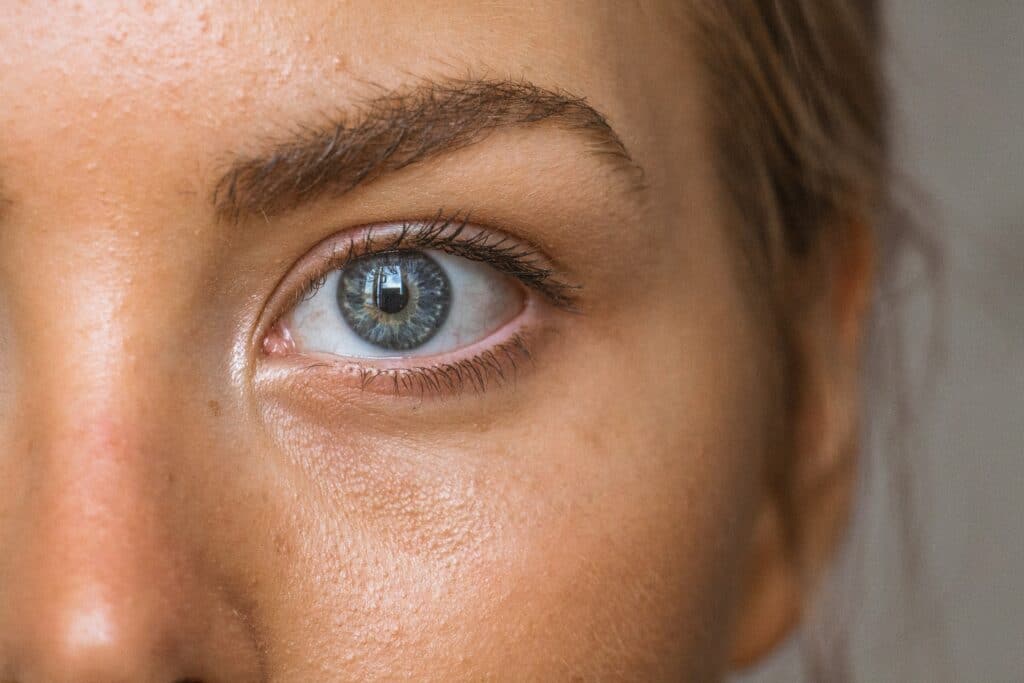
Is the quality of your sleep written all over your face?
Many of us have lifelong battles with our skin, investing in costly creams and treatments in an effort to get the look we want. But our skin health is more than surface level, and while products and treatments can improve your skin, factors like diet and sleep also have a part to play.
Sleep is one of the most potent, as well as natural, remedies for glowing skin, showing that the phrase ‘beauty sleep’ isn’t just a catchy saying.
But how exactly does sleep impact our skin, and what can we do to make sure we’re getting enough of it?
The science of sleep and skin health
As our body’s largest organ, our skin is constantly working hard to protect us from environmental stressors. During the day, these take the form of UV rays, pollution, and the inevitable wear and tear of daily life.
When we sleep, this is our skin’s chance to recover and regenerate, entering restorative mode along with the rest of our bodies. Cell turnover and repair peak when we sleep.
A study published in the British Journal of Dermatology confirms what many experts have been saying for decades – that chronic poor sleep quality is linked to increased signs of ageing, uneven pigmentation, reduced skin elasticity, and fine lines. And this isn’t just a vanity issue – healthy skin is a reflection of overall wellbeing.
The role of sleep in skin repair
The body increases blood flow to the skin during the deeper stages of sleep, particularly Rapid Eye Movement (REM) sleep. This helps deliver oxygen and nutrients to the skin, aiding the repair of damaged cells and the growth of new ones.
Growth hormones are also released during sleep, which plays a crucial role in collagen production – a vital protein in maintain skin firmness and elasticity.
Without enough sleep, collagen production decreases, which can speed up signs of ageing. A study by Estée Lauder found that women who slept less than five hours a night had 30% more signs of skin ageing compared to those who slept for at least seven hours.
The impact of sleep deprivation on sleep
The stress hormone cortisol can have a direct impact on our skin, and when we don’t get enough sleep, more cortisol is produced. These elevated cortisol levels can increase bodily inflammation, exacerbating skin conditions like eczema, acne, and psoriasis.
Inflammation can also break down collagen and hyaluronic acid, both of which are important for keeping skin plump and hydrated.
Dehydration, puffy eyes, and a dull complexion are also common signs of sleep deprivation, as a lack of sleep can imbalance our skin’s moisture levels.
Tips for better sleep and healthier skin
Improving your skin means improving your sleep, and this requires establishing a solid sleep routine. Going to bed and waking up at the same time each day helps regulate your body’s internal clock, making it easier to fall asleep and wake up refreshed.
Your bedroom should also be a restful environment, so keep it cool, dark and quiet. Limit your screen time, especially in the hour before turning in, and make sure you stay hydrated.