

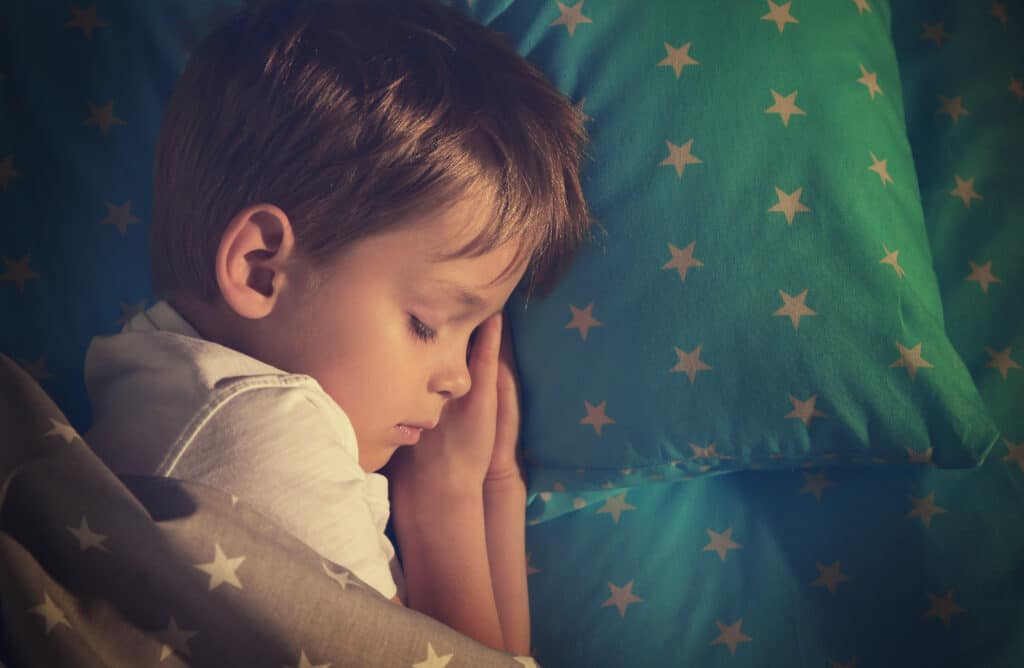
Getting enough rest is essential for mental stability and growth in your little ones
Any parent or guardian knows how much difference a bad night’s sleep can make to a child’s mood. Precious youngsters become walking, talking tantrums, and teenagers fully embrace the angst and mood swings they’re known for.
Sleep is a vital aspect of any child’s health and wellbeing. While one or two nights of poor sleep may simply lead to short term issues like irritability, lack of focus and tiredness, regular sleep problems can have long term consequences for your child’s mental wellbeing. This is concerning, as the National Sleep Foundation reports that nearly 30% of children and 75% of teenagers don’t get enough sleep.
Chronic sleep deprivation increases the risk of mental health problems
Of course, the mental impact of sleep deprivation is not exclusive to children. As adults, we also suffer the various impacts of poor sleep, but because children’s brains are still developing, they are especially sensitive to inadequate sleep. A lack of high quality rest can result in mood and behavioural problems. Where children already suffer from behavioural issues, poor sleep can make these problems worse.
Research has found that persistent sleep problems in preschool and school-aged children increases their risk of developing mental health concerns like anxiety and depression as teenagers and adults.
Sleep is essential for regulating mood, behaviour and anxiety in children
A bad night’s sleep can cause your child to be irritable the next day, becoming more easily frustrated. They may also seem more lethargic and display exacerbated feelings of sadness or even hopelessness. If simple tasks like going to school or doing their homework seem to overwhelm them, poor sleep may be at fault.
These changes in mood can, in turn, impact their behaviour. Unlike adults, children can actually be more hyperactive and manic when tired, rather than growing sluggish. Research has found that sleep deprivation can produce symptoms that resemble attention-deficit/hyperactivity disorder (ADHD), as children may struggle to sit still and concentrate.
Loss of sleep can also increase stress in children. Sleep deprived youngsters have a harder time regulating their emotions, and this can create a vicious cycle of worrying and insomnia. The longer your child suffers from poor sleep, the worse these symptoms become. These changes to mood, behaviour and stress levels can make it harder for children to cope at school.
How much sleep do children need?
The National Sleep Foundation recommends differing amounts of sleep depending on your child’s age. Pre-schoolers require between 10 and 13 hours’ sleep a night, while school-aged children need 9-11 hours, and teenagers should aim for 8-10. There are certain steps you can take to improve your little one’s sleep health. These include:
- Creating a sleep schedule and sticking to it, making sure your child goes to bed and wakes up at roughly the same time every day
- Setting up a consistent bedtime routine that includes time to wind down with a bath or bedtime story
- Avoiding caffeine and sugars in the run up to bedtime
- Reducing the use of electronics in the hour before bed
- Setting up a soothing sleep environment – the bedroom should be cool and dark
These simple changes can have a long term positive impact on your child’s sleep behaviours, which in turn can support their mental wellbeing as they grow up.
Ready to upgrade your sleep? Use our Store Finder today to find your nearest Mammoth retailer.