

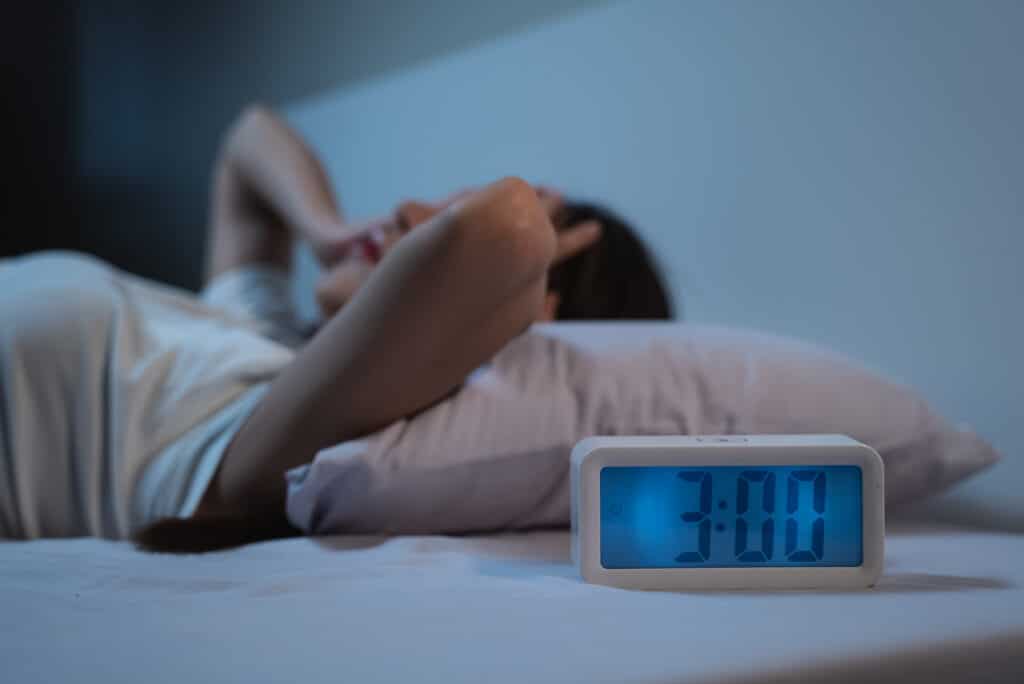
Stress and sleep are inextricably linked
April is recognised as Stress Awareness Month – a chance for everyone to recognise the negative impacts of stress and anxiety. According to the Mental Health Foundation, 74% of UK adults have reported feeling overwhelmed by stress over the course of the last year, and this can have a knock-on effect when it comes to mental and physical wellbeing.
Anxiety and stress can impact everything from your digestive health and heart health to the likelihood of experiencing health concerns like depression. And one of the most prevalent consequences of stress is trouble sleeping. When you’re stressed, you’re far more likely to experience sleeplessness and insomnia.
This Stress Awareness Month, we’re taking a closer look at how anxiety can keep you up at night, and what you can do about it.
How does stress impact sleep?
Insomnia is one of the most common sleep disorders, impacting as many as two thirds of adults at some point in their lifetime. It is frequently linked to stress. It results in a persistent difficulty to fall asleep, stay asleep, or both, and results in daytime sleepiness, fatigue, irritability and other impairments.
Studies have found that stress can increase your chances of developing insomnia and impact the quality of sleep overall, including the duration of each sleep stage. People suffering from stress may experience a decrease in the amount of time spent in deep sleep.
Short term insomnia vs. chronic insomnia
Insomnia that occurs for less than three months is considered short term or acute insomnia. This can be brought on by sudden stressors, including work problems, relationship issues, financial loss, bereavement or other health concerns. It can also be caused by your sleep environment. The longer these issues go unaddressed, the longer the insomnia lasts.
Meanwhile, chronic insomnia is when symptoms occur at least three times a week for more than three months. This is usually brought about by persistent stressors like crucial life changes, major illness, divorce, work dissatisfaction and more. Those with an anxiety disorder are at a higher risk of experiencing insomnia symptoms.
Sleep and stress: a vicious cycle
When we don’t get enough sleep, we find it harder to regulate our mood. We’re more likely to lash out, and struggle to think logically and rationally about problems we face during the day. As such, sleeplessness can exacerbate feelings of stress, and this increased stress can make it even harder to sleep. This creates a vicious cycle.
Getting a good night’s sleep can help to reduce feelings of stress, but doing so can feel like a challenge.
How to improve your sleep when stressed
Routine is helpful for both stress and sleep. Going to bed and waking up at the same time every day will help your body learn when it’s time to be energised and when it’s time to wind down, allowing you to feel relaxed in the run up to bedtime even when life factors are causing stress. Think of your bedroom as a sleep sanctuary, away from life’s problems. Use it only for rest and relaxation, and make sure your sleep space is cool and dark when it’s time to go to bed.
Screen time can also impact your sleep and stress levels. Numerous studies have shown that increased smartphone and social media use can cause spikes in our anxiety levels, so try to limit the amount of time you spend looking at your phone, particularly in the evening.
Looking to improve your sleep quality? Start by getting the sleep surface right. Explore the Mammoth range today and find your nearest stockist here.