

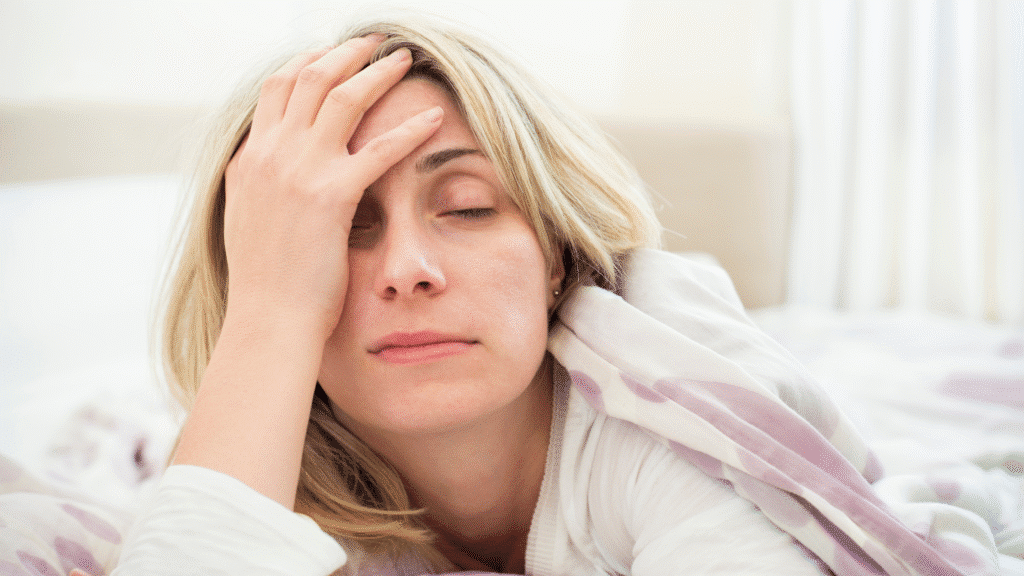
The presence of air pollution is a bigger problem than many think. Even in the UK, air pollution poses serious health risks, with long term exposure to toxic and low quality air linked to the prevalence of chronic conditions like cardiovascular disease, dementia and lung cancer.
According to the Royal College of Physicians (RCP), air pollution contributed to an estimated 30,000 deaths in 2025, and this seemingly unavoidable issue affects the health of almost every single organ in the human body. Protecting yourself from the effects of air pollution outdoors is only part of the problem however.
Indoors, in the sanctuary of home, air pollution poses problems. Poor ventilation, damp, mould, and emissions from your central heating system, gas hobs and household cleaners all compromise air quality, which means no space is truly safe from air pollution. It’s even affecting how well we sleep…
You may not be sleeping as soundly as you think
The study of sleep is no new thing. Such studies have helped us understand the fundamental role sleep plays in our health and wellbeing, with everything from essential biological functions to our mental health and waking performance influenced by those twilight hours. We’re only now comprehending the impact of societal stressors like air pollution on sleep quality and quantity however.
This review has been instrumental in joining the dots between air pollution and sleep health in middle-aged and older adults, with both indoor and outdoor air quality influencing our very sleep cycles. It took several studies from around the world into account to establish a link between long term exposure to outdoor air pollution and shorter or lower-quality sleep.
It’s bad news for sleepers in urban settings
If you live alongside a busy road, your exposure to particle pollution is significantly increased. The review found that by halving exposure to the average particle pollution found alongside busy London roads, you could reduce the likelihood of experiencing poor sleep by 1 in 10. But, it’s not just external factors that dictate how sleep-disrupting air quality is.
Even home bodies can be affected by air pollution
People who spend most of their time indoors were negatively impacted by air pollution too. The use of solid fuels (like wood and coal) was a defining factor in selected studies. When compared with subjects that used clean fuels to heat their homes and conduct everyday activities such as cooking, those who burned solid fuel were more likely to experience poor sleep quality.
Insomnia and short sleep duration were also prevalent in these groups. Simple measures – including the use of an extractor fan and the opening of windows during cooking – however were found to reduce these effects.
Working together to improve air quality
Unfortunately, air pollution affects every aspect of our lives, including how well we sleep. Cleaner air is something we are all working towards, yet some challenges within the environment can be hard to escape and seemingly out of our control.
Taking small steps to improve the health of your home is a great place to start in your own personal mission to boost air quality. Strategically opening windows, using extractor fans while cooking, improving ventilation (especially when cleaning and decorating), vacuuming regularly, and resolving damp and mould problems in a timely manner all count. You should also be selective when it comes to household cleaners, opting for natural alternatives (like white vinegar and baking soda) where appropriate.
Along with other sleep brands, we’re also working hard to provide healthier mattress choices, taking care to develop great sleep products that help you start and end your day the right way.