

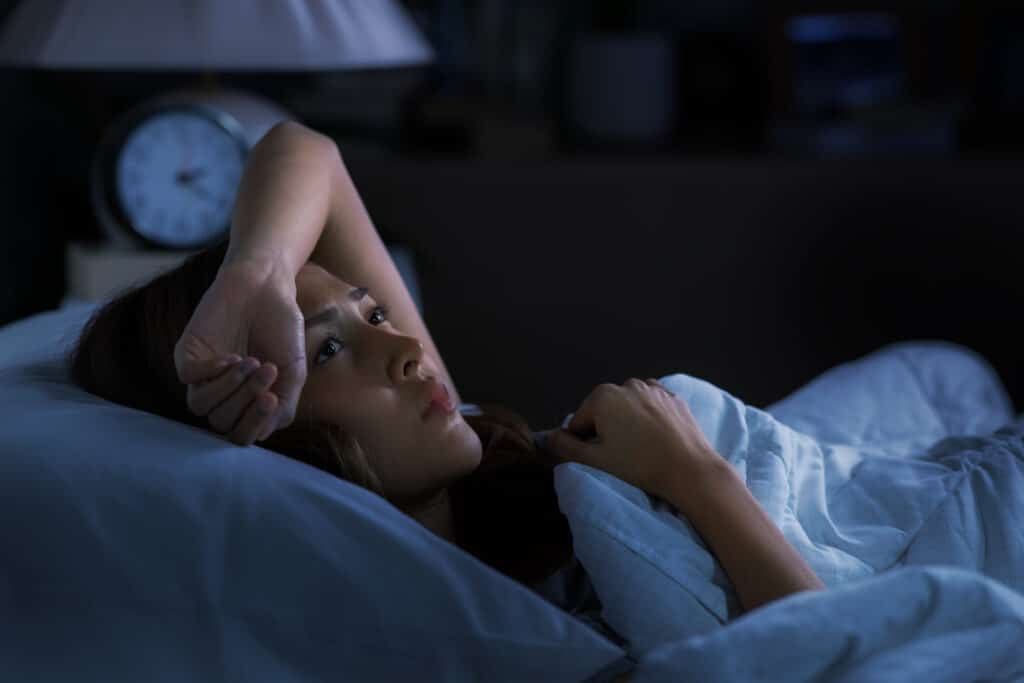
Sleep anxiety is the fear or worry about going to sleep, specifically that your own worry will prevent you from falling asleep or cause you to wake up during the night. It is a vicious cycle that can be hard to break out of. Anxiety prevents you from sleeping, which increases your anxiety, which makes sleep more elusive.
Sound familiar? If you believe you may be suffering from sleep anxiety, it’s important to recognise the symptoms and causes, so you can begin to break free of your fear and get the rest you deserve.
What are the symptoms of sleep anxiety?
The main symptoms of sleep anxiety are also symptoms associated with other anxiety disorders, though they are amplified at night. They include:
- Nervousness and restlessness. A churning in your gut, and the inability to relax even in the safety and comfort of your bed.
- Feeling overwhelmed. The sense that even something as natural as falling asleep is a near impossible task.
- Sense of impending doom. A feeling of generalised dread, that if you don’t fall asleep something terrible will happen, even if logically you know that’s not the case.
- Physical symptoms. Tensed muscles, clenched jaw, sweating, grinding of teeth. Often you won’t be aware you’re doing these things.
These symptoms then lead to others associated with lack of sleep, such as irritability, lack of concentration, memory loss, and feeling low. If left untreated, sleep anxiety can lead to more serious health problems, like depression, increased blood pressure, diabetes, heart disease, and obesity.
What causes sleep anxiety?
The reasons people suffer from sleep anxiety are varied and sometimes difficult to pin down. Those suffering from underlying anxiety disorders are most at risk, but people who have never experienced any anxiety issues can also develop the condition, seemingly out of nowhere.
Some of the most common triggers for sleep anxiety are:
- Day-to-day stressors. Work, relationship, family, and financial problems can wear down our mental defences over time, especially at night when we have fewer distractions.
- Underlying mental health problems. An undiagnosed anxiety, panic, or depressive disorder can make you feel like you’re losing control of your own thoughts, which can spiral when you’re lying in bed.
- Lack of routine. A consistent sleep routine will lull your body clock into a natural rhythm, while a chaotic routine will result in inconsistent sleep.
- Environmental factors. Too much blue light from electronic devices, too much caffeine and/or alcohol, a bedroom that’s too light, noisy, hot, or cold. All these things overstimulate your brain, causing restlessness.
- Underlying medical condition. Asthma, heart problems, chronic pain, and other medical conditions can worsen at night.
The longer sleep anxiety goes on, the more you come to associate sleep with feelings of dread and worry, making the condition harder to overcome.
Coping strategies for sleep anxiety
Fortunately, there are steps you can take to tackle your sleep anxiety, such as:
- Forging a consistent sleep routine. Going to bed and waking up at the same time every day will reset your circadian rhythm, ensuring that your mind and body are tired when you go to bed. Avoid caffeine, alcohol, and phone screens during the evening.
- Creating a conducive sleep environment. Making your bedroom as quiet, dark, cool, and pleasant as possible will help you relax by eliminating all other distractions.
- Practising mindfulness. Before bed, let your worries wash over you without attempting to critique them, breathing deeply in a comfortable position. This will prevent these concerns from assaulting you during the night.
- Therapy. Talking therapy will help you discover the underlying cause of your anxiety so you can develop the tools to address it.
- Medication. Some people find sleep or anti-anxiety medication invaluable. Talk to your doctor if you think this is something you would benefit from.
Sleep anxiety can be successfully managed over time, but the journey starts by acknowledging the problem.
Looking to improve your sleep quality? Start by getting the sleep surface right. Explore the Mammoth range today and find your nearest stockist here.