

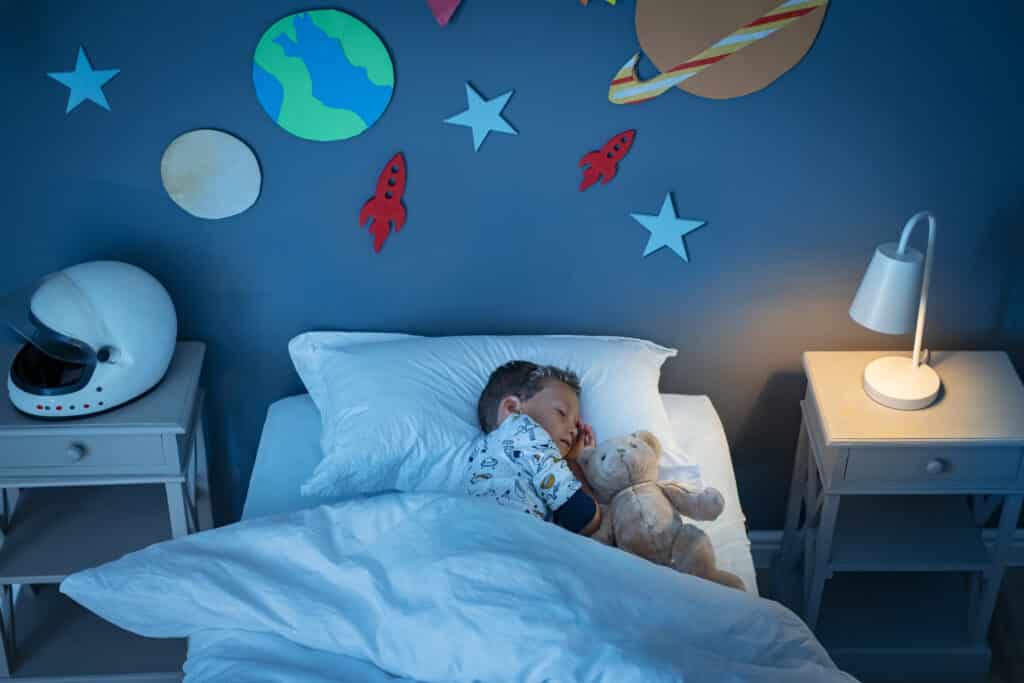
Without the usual routine of waking up early and going to school, it’s all too easy for children and teens to fall into a poor sleep pattern. From staying up late to waking up at vastly different times every day, the summer holidays might be good for their mood, but they can wreak havoc on their ability to get the rest they need.
Thankfully, there are steps you can take to ensure your kids maintain a good sleep routine outside of school, while still having the fun summer holiday they deserve.
We’re going to take a closer look at the main problems associated with sleeping during the summer holidays, while also exploring what you can do to prioritise rest before school starts again.
The impact of irregular sleep patterns
During school holidays, children are much more likely to fall into irregular sleep patterns. While this may seem harmless, this lack of structure can lead to a range of problems, including decreased cognitive function, mood swings, and even a weaker immune system.
The NHS reports that children aged 6-12 need 9-12 hours of sleep per night, while teenagers need around 8-10 hours. The lack of routine associated with school holidays can often result in children falling short of these sleep targets.
The role of light exposure
Since the longest school holidays take place in summertime, children also have to contend with an increased exposure to natural light due to longer days and brighter evenings. While sunny evenings are undoubtedly pleasant, they can delay the production of melatonin, the hormone responsible for regulating sleep, and this can make falling asleep at a reasonable hour more of a challenge.
Similarly, today’s kids and teens are also exposed to a huge amount of artificial light through screens. The Royal College of Paediatrics and Child Health highlights that exposure to screens late at night, such as tablets and smartphones, can further inhibit melatonin production by emitting blue light.
Create a strong summer sleep schedule
A consistent sleep schedule is vital, even without the pressures of school. Encouraging your kids to go to bed and wake up at around the same time every day – even if it’s later than their usual termtime bedtime – can regulate their internal body clock and make it easier to get the rest they need.
As well as a sleep schedule, there are other steps you can take to help your little ones drift off and get the rest they need.
Limit screen time in the evening
Reducing screen time in the hour before bed can significantly improve sleep quality, so encourage them to swap scrolling for reading, stretching, or listening to calming music.
Create the right environment
Bedrooms play a key role in how we sleep, so make sure to keep your child’s room cool, dark, and quiet.
Establish a relaxing routine
A calming sleep routine can signal to your child’s body that it’s time to wind down. This might include taking a bath, breathing exercises, or reading a book.
Encourage physical activity
Exercise can help children fall asleep faster and enjoy deeper sleep, so aim for at least 60 minutes of physical activity per day. This might involve a bike ride, swimming, or even just a walk. Just be sure not to let them engage in any vigorous exercise close to bedtime.
Watch what they eat
Diet plays a big role in sleep. Avoid caffeine, sugars, and large meals close to bedtime. If your child is really hungry before bed, try a light, healthy snack.
Looking to improve your sleep quality? Start by getting the sleep surface right. Explore the Mammoth range today and find your nearest stockist here.