

Sleep and exercise have a give-and-take relationship. Getting moderate exercise during the day can improve the quality of your sleep, while getting enough rest throughout the night will aid muscle repair and mental rejuvenation, helping you to exercise better.
But certain exercises will aid sleep better than others, and when you exercise can be just as influential as the exercise itself.
Once you understand the link between exercise and sleep, you will get more rest, have better workouts, and achieve greater overall health.
Aerobic exercise
Moderate aerobic exercise, such as brisk walking, swimming, and cycling, are known to promote healthy circulation, improve lung capacity and reduce anxiety and depression, all things which will benefit your sleep.
Performing aerobic exercises in the morning will invigorate you, making you more alert and focussed throughout the day, and promoting the earlier release of melatonin (the relaxation hormone) at night. This is particularly helpful if you suffer from a sleep disorder like insomnia which makes you tired during the day and restless during the night.
Resistance Training
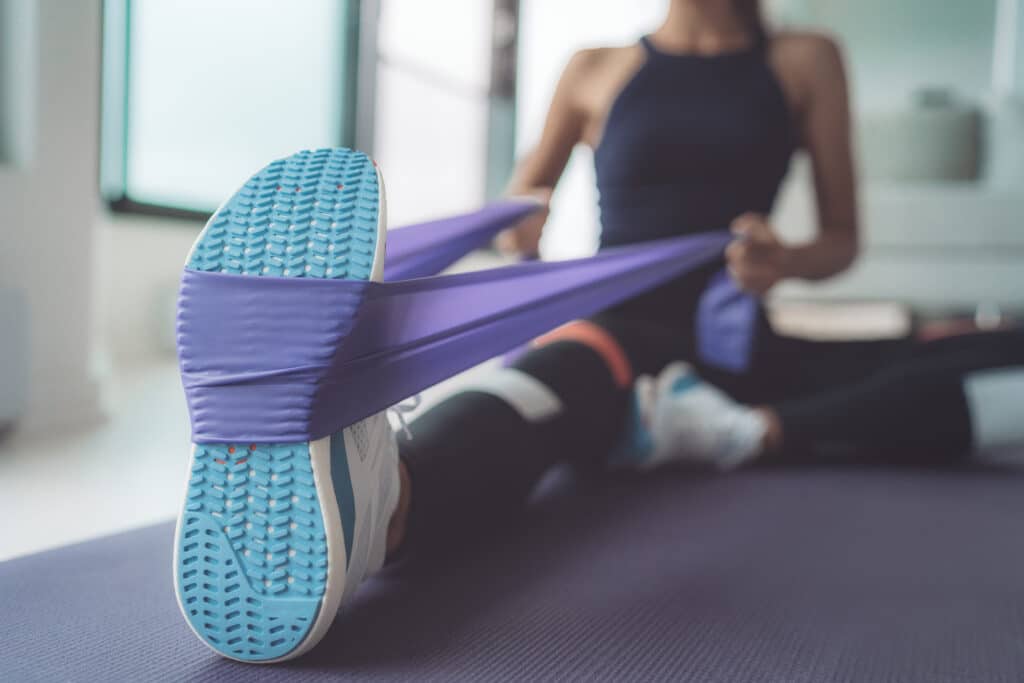
Resistance training, otherwise known as strength training, refers to exercises such as weightlifting, press ups, sit ups and using resistance bands in order to build muscle.
Strength training may be difficult, especially for beginners, but with plenty of repetition, over time you will notice increased strength and endurance, improved mood and fewer sleep-interrupting aches and pains.
Resistance training is particularly effective in combination with aerobic exercise, as they address separate aspects of physiological health. Do your strength training in the afternoon to give your body time to relax and cool down before bed.
Yoga
Yoga is a form of resistance training, though a low intensity form. This makes it much more accessible for beginners, the elderly, and those with physical limitations.
Yoga is a combination of posture training, breathing exercises, and meditation. If you stick with it, you will likely find yourself losing weight, feeling less stressed, and experiencing increased flexibility and less joint pain, especially in the back and neck. All of these things will help you get the rest you need.
Yoga is a good evening exercise, as it does not raise the heart rate or temperature as much as more intense forms of exercise, meaning you won’t be full of adrenaline when you’re trying to fall asleep.
Tai chi
If even yoga is too high impact for you, tai chi is a good alternative (or partner exercise, if you require further relaxation).
Sometimes referred to as ‘meditation in motion’, tai chi is series of slow, fluid movements paired with deep, purposeful breathing. It alleviates stress at the end of a long day, lowers the heartrate, and prepares both body and mind for a state of rest.
Breathing Exercises
If you’ve had plenty of exercise throughout the day, yet still find yourself unable to sleep come bedtime, a few simple breathing exercises may provide the relief you seek.
Lie in a comfortable position, and focus on taking deep, slow breaths. Inhale for four seconds, hold for seven, and exhale for eight. Repeat as many times as you want. This will provoke a relaxation response in the body, helping you drift off into restful sleep.
Getting enough exercise – whether a lengthy cardio session or an evening stroll – can positively affect all sorts of sleep disorders, from insomnia to sleep apnoea. However, it is important not to overexert yourself.
Different people have different tolerance levels when it comes to exercise. Experimenting with timings and intensity will help you find your personal threshold, and teach you which exercises work best for your needs.
Prioritise health and wellbeing above all else, and better sleep will follow.
Looking to improve your sleep quality? Start by getting the sleep surface right. Explore the Mammoth range today and find your nearest stockist here.